Skip to content
About Audivora

We teach audio engineering with structure, practice and visible iteration.

Audivora is built around one idea: confident engineers are made by consistent feedback loops. We combine clear lessons, real projects, and a curriculum that updates in public.
Avg. response
SLA
--:--:--
Support replies (typical weekday window)
Updates cadence
LIVE
Weekly
Curriculum & projects refined
Principle
CORE
Clarity
No hidden prerequisites
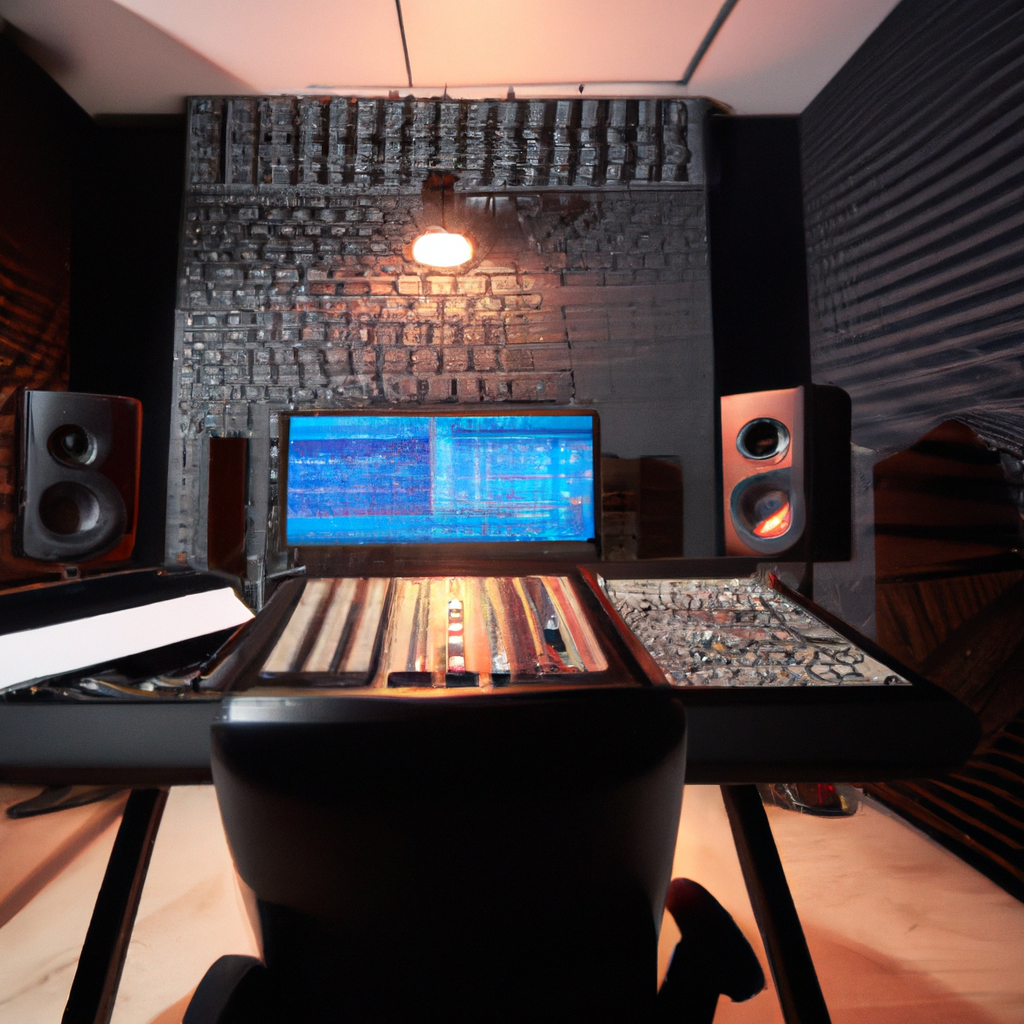
Studio control room with acoustic panels, nearfield monitors, mixing console, and warm cinematic lighting
Method-first learning
Tools change. The workflow stays. We train how to think in signal flow, gain staging, and reference-driven decisions.
Project cadence
Every module ships something: a mix pass, a master, a dialog clean-up, or a sound design cue—reviewed against a checklist.
Continuous iteration
When an exercise confuses, we rewrite it and publish the reason. Transparency builds trust and better outcomes.
Contact
+1 (415) 907-2684
Mon–Fri, 10:00–18:00 (local)

Mission

Make professional audio education legible. No vague “golden ears” mythology—just a reproducible process: listen with intent, measure when needed, document decisions, and compare against references.

Outcome-driven
Every lesson maps to a concrete skill: calibrate monitoring, de-mud a mix, control dynamics, or deliver a spec-compliant master.
How we define “progress”

Repeatable wins, not lucky takes

1) Diagnose
Find the bottleneck
We isolate one issue at a time: monitoring, arrangement, balance, tone, dynamics, space, or translation.
2) Apply
Make one decisive move
Controlled steps beat endless tweaking. We teach quick A/B, level-matched comparisons, and notes.
3) Verify
Reference & translate
We verify on multiple systems and against references. Translation is the real exam.
4) Document
Build your playbook
Students keep a decision log to speed up future sessions and reduce recurring mistakes.

Methodology

We balance ear training with practical constraints. You learn to hit deadlines, communicate revisions, and deliver files that survive real-world pipelines.

Session hygiene checklist
Gain staging Routing Revisions Exports Notes
Short lessons
Tight units with one idea per pass; no sprawling, unfocused lectures.
Rubrics
Every project has a checklist so feedback is consistent and actionable.
Deliverables
You export stems, alternates, and spec sheets—like you would for clients.

Values

We care about craft, honesty, and the student’s time. These values inform what we teach, what we refuse to teach, and how we review work.

Accessibility
Lessons include captions-ready structure, clear naming, and “what to listen for” prompts that reduce ambiguity.
Clarity over jargon
We define terms and demonstrate them with sound-based examples and visible settings.
Respect for constraints
We teach how to get results with limited gear and imperfect rooms.
Evidence & listening
We use measurements to support decisions—not to replace critical listening.
Kind, direct feedback
We critique the work with specific suggestions and clear next actions.
From the team
“We prefer fewer promises and more proof.”

Curriculum Transparency

Our curriculum is a living product. When we change it, we tell you what changed, why it changed, and how it affects outcomes. Explore the sections below and open the change log for a detailed history.

What changed recently
Last 30 days snapshot
Improved “Calibration” lesson
Added monitoring SPL guidance + reference track selection steps.
Apr 18
New export templates
Standardized naming and delivery files for mixes and stems.
Apr 29
Mastering QC checklist
Added true peak & mono checks before final renders.
May 06
Policy
Changes never remove learning outcomes
If we refactor a module, we keep the intended skill and provide a migration note.

Tell us what to improve

If anything feels unclear, outdated, or too fast, send a note. We use feedback to prioritize updates and publish changes with context.

Open feedback modal
Or call: +1 (415) 907-2684